
Sustainability
Our team is proud to take a leading role in the advancement and design of environmentally responsible structures
Background
Since the early years of LEED to the multitude of currently evolving sustainability guidelines, Ehlert Bryan has trained its professional engineers in the best practices for designing and specifying GREEN buildings to meet or exceed project requirements.
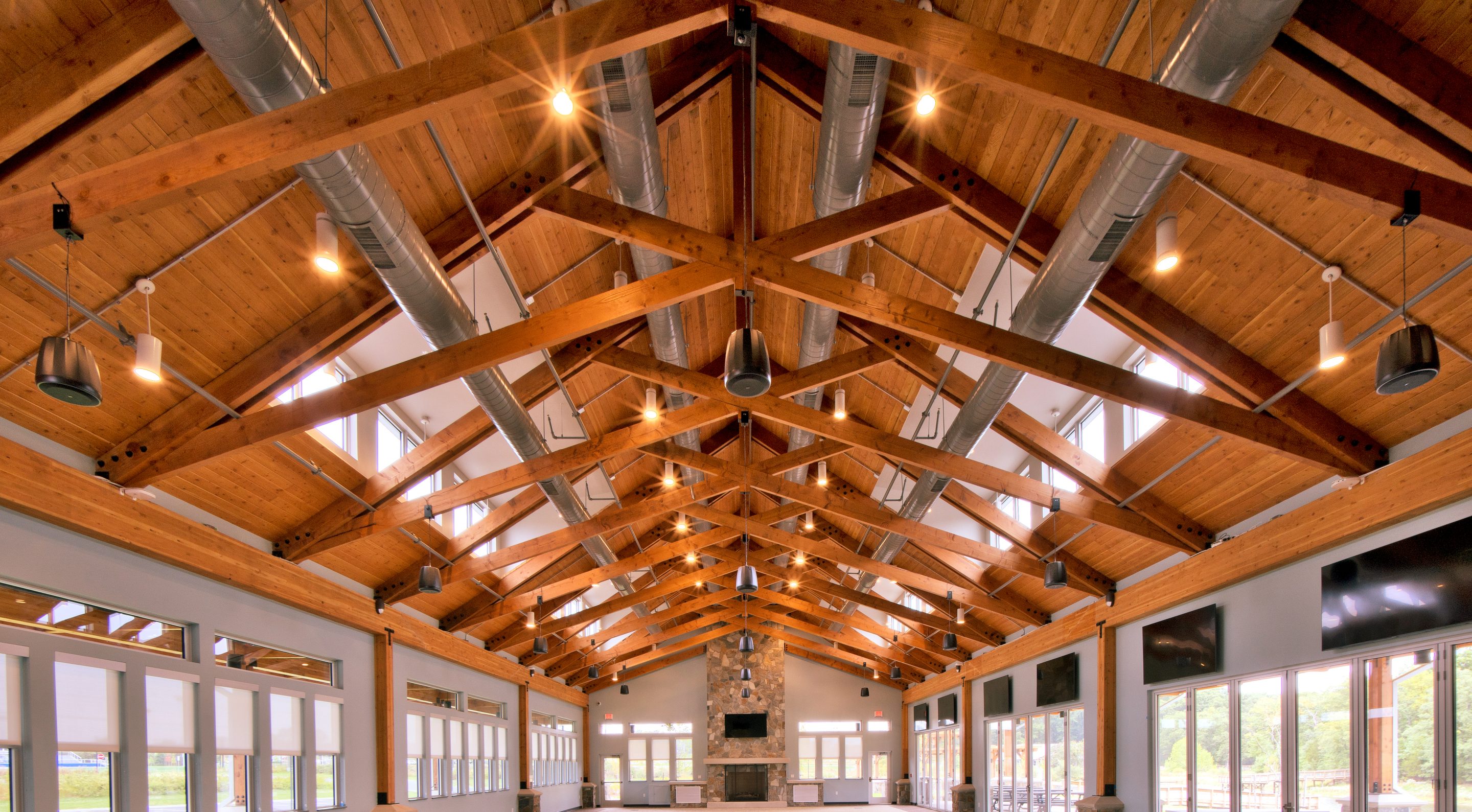
Locally-sourced materials, recycled content, low VOCs, using state-of-the-art analysis software to economize structural material volume, promoting renewable resources and emerging sustainable technologies like engineered composite heavy timber (CLT, GLU-LAM, etc.), support for green roofs/solar arrays/storm water retention, and limiting embodied carbon through smart selection of structural building materials are many of the ways EB is helping to reduce environmental impacts from construction.
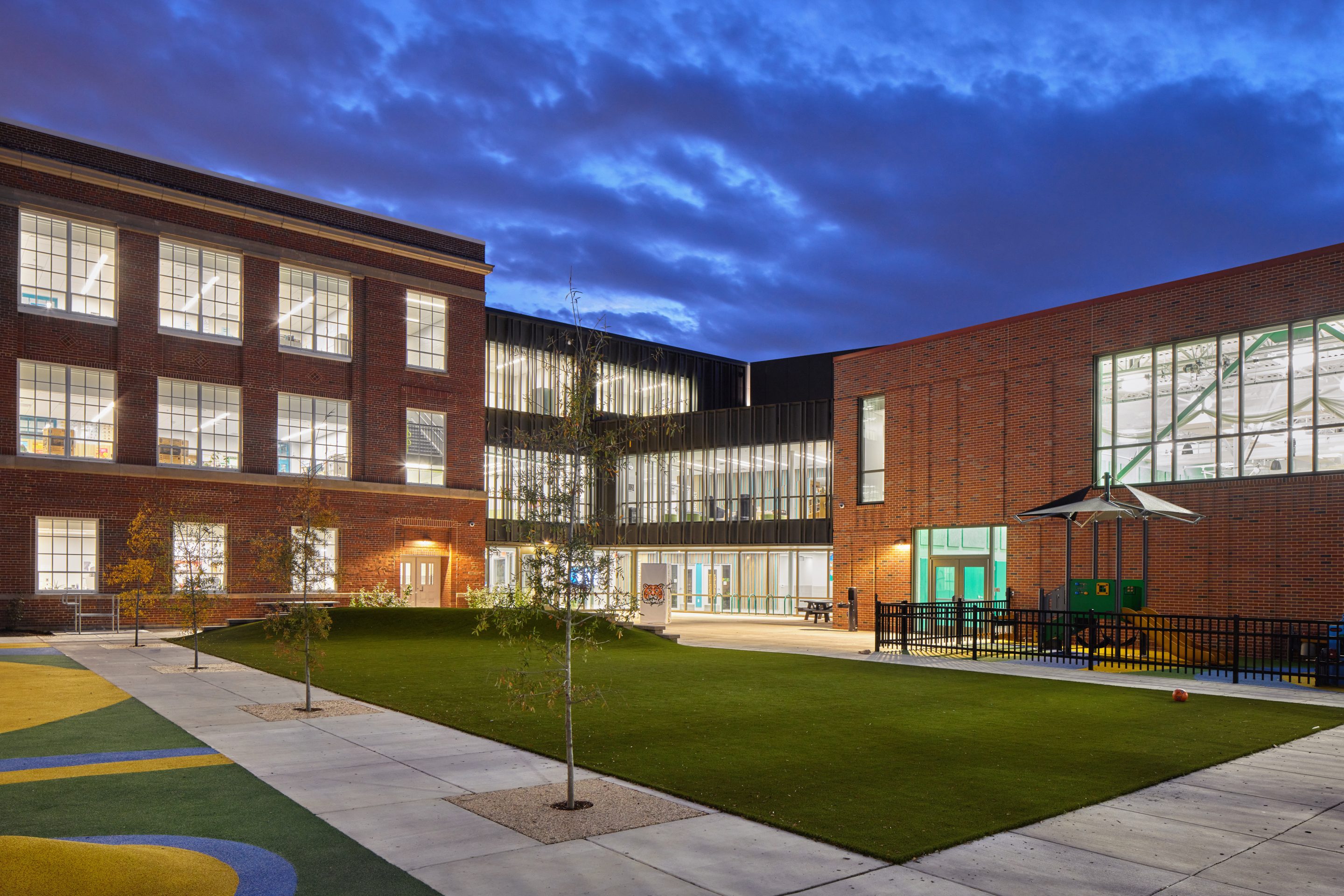
The most sustainable structures are those which reuse existing buildings and Ehlert Bryan is proud of our many award-winning building conversions, renovations, and expansions. Adaptive reuse of office buildings into multi-family residential spaces is a win-win for cities. It helps address housing shortages, revitalizes urban centers, and promotes sustainability by reducing waste and carbon emisions. By prioritizing reuse over demolition, cities can create more resilient and environmentally friendly communities.
Our SE2050 Pledge
In 2024, Ehlert Bryan joined the structural engineering community initiative SE2050, which is a pledge to achieve net zero embodied carbon in our structural designs by the year 2050. Embodied carbon is the global greenhouse gas emissions that come from the construction industry, including material extraction, transportation, manufacturing, construction, renovation, and maintenance.
As one of the leading firms in the Washington, DC metropolitan region, Ehlert Bryan is committed to this vision of the future built environment. We are thrilled to play our part in reaching this goal!
Our duties to SE2050 involve providing the organization with annual Life Cycle Assessment data from two of our projects and encouraging our clients to consider sustainable building designs. Our aim is to reduce the embodied carbon and global warming potential of structural building materials on our projects by:
- Fully optimizing structural systems
- Specifying low cement concrete whenever practical
- Working with building owners and architects to develop embodied carbon reduction plans in the early stages of our projects
- Collaborating with architects to optimize column layouts, reduce transfer beams and slabs, and minimize the structure required for non-structural features
- Encouraging owners and contractors to use locally-sourced structural building materials
- Adjusting our standard specifications and notes to specify reduced carbon alternatives to structural building materials where there is little impact on cost or performance

You can download and read Ehlert Bryan’s Embodied Carbon Action Plan here!