U.S. Embassy Compound
Project Location
Jakarta, Indonesia
Sustainability
– LEED Gold
Project Type
-International
-Civic and government
-Office
Services
– New Construction
– Construction Administration
– Specialty Structures
– Progressive Collapse
– Seismic Design (category D)
The Project
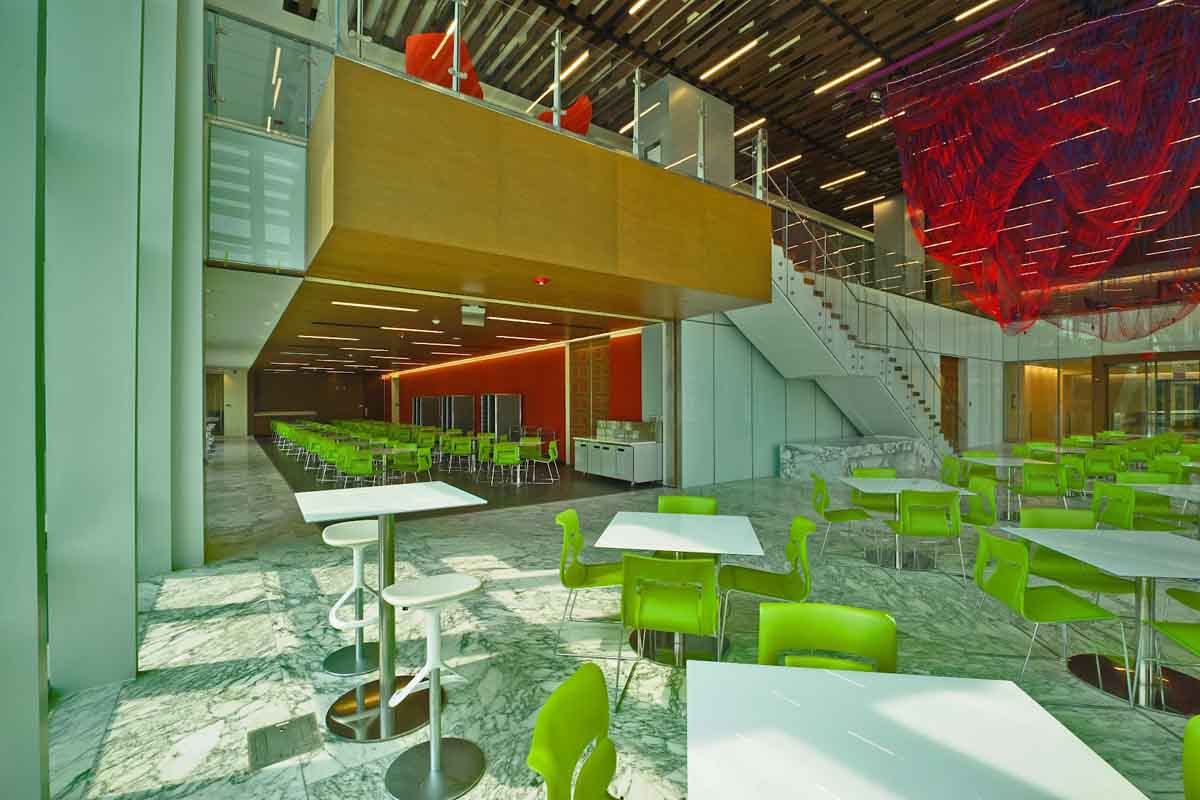
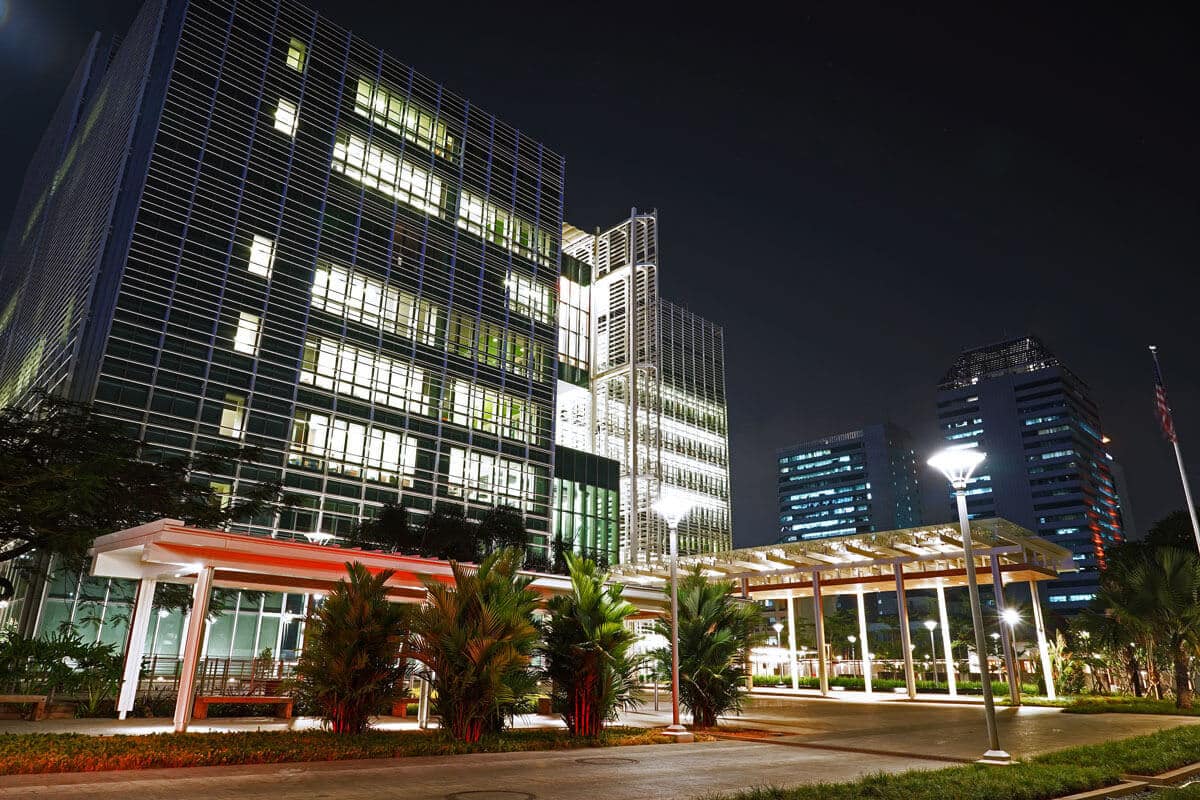
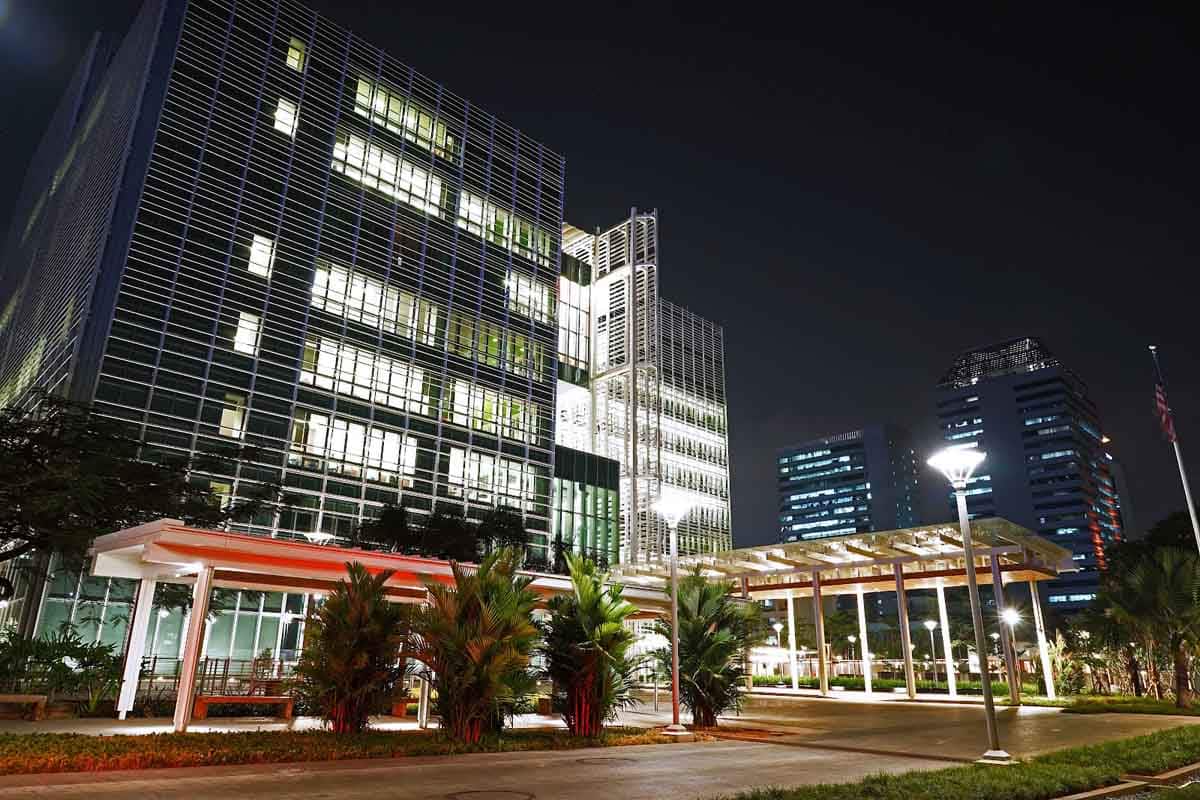
The New Embassy Compound located in downtown Jakarta, Indonesia is one of the first examples of the Department of State’s “Design Excellence” (later renamed “Excellence”) approach to U.S. Embassy buildings. The new, state-of-the-art facility houses many U.S. and Indonesian employees and is home to the U.S. Mission to Indonesia and the U.S. Mission to ASEAN.
With the new “Excellence” program, the Department of State Overseas Building Operations (OBO) signaled a shift in approach from the previous “Standard Embassy Designs” (SED) used in the past, all while maintaining the commitment to provide safe, functional, and resilient facilities. In lieu of the standard concrete facades commonly found around U.S. Embassies, the buildings in Jakarta are enclosed with large expanses of blast-resistant glazing and sunshade structures. OBO has also renewed an investment in sustainable design, and the project has achieved LEED Gold certification.
Ehlert Bryan served as the Structural Engineer of Record for 8 of the 9 total buildings on the compound, including the 10-story, 180-ft tall, glass Chancery (NOB) and integrated Marine Service Guard Quarters (MSGQ) building as the anchor of the compound. Each of these buildings were designed to OBO’s rigorous security standards and to US codes for Seismic Design Category D. Ehlert Bryan coordinated the base structural design closely with a Blast Design Consultant (Thornton Tomasetti), who was responsible for the design of the blast forces and the blast-resistant curtainwall and sunshade framing. The buildings and canopies were designed to the IBC, the OBO International Code Supplement (ICS), and ASCE 7.
Structural Features
The structural systems for the buildings are typically a concrete frame with concrete shear walls. Many of the canopies and support structures around the compound feature steel-framed roofs and glass roofs. The Chancery is supported on 263 concrete caissons that are over 130 ft deep.
Seismic Design
Located in southeast Asia, the buildings are designed to Seismic Design Category D. Ehlert Bryan used creative solutions to produce a constructible and ductile design, even with concrete strength limitations that are atypical for a building of this size in the U.S. At the lower floors of the Chancery, bundled rebar was used to meet strength requirements, and special details were created for the coordination of the bundled bars, seismic detailing, and blast curtain wall detailing. Rigorous analysis was performed through state-of-the-art computer models and other structural engineering techniques, which led to a constructible and ductile structural system that has already successfully withstood several earthquakes since its construction.
The compound also includes several steel-framed buildings and walkway canopies with seismic moment-frames created out of custom-shaped column sections. These buildings also feature exposed structural steel, glass roofs, and integration with concrete-framed portions of buildings, all under the design requirements of the U.S. seismic codes. At the Chancery, an elaborate screen wall and shed structure are installed at the roof.
Progressive Collapse
Per OBO and UFC guidelines, the Chancery is designed for Progressive Collapse, which provides enhanced structural resilience and ductility for life safety in the event of a catastrophe. Advanced computer models were used to design structural elements to bridge over damaged building areas and allow occupants to exit the building and limit the risk of a collapse disproportionate to the damage caused.